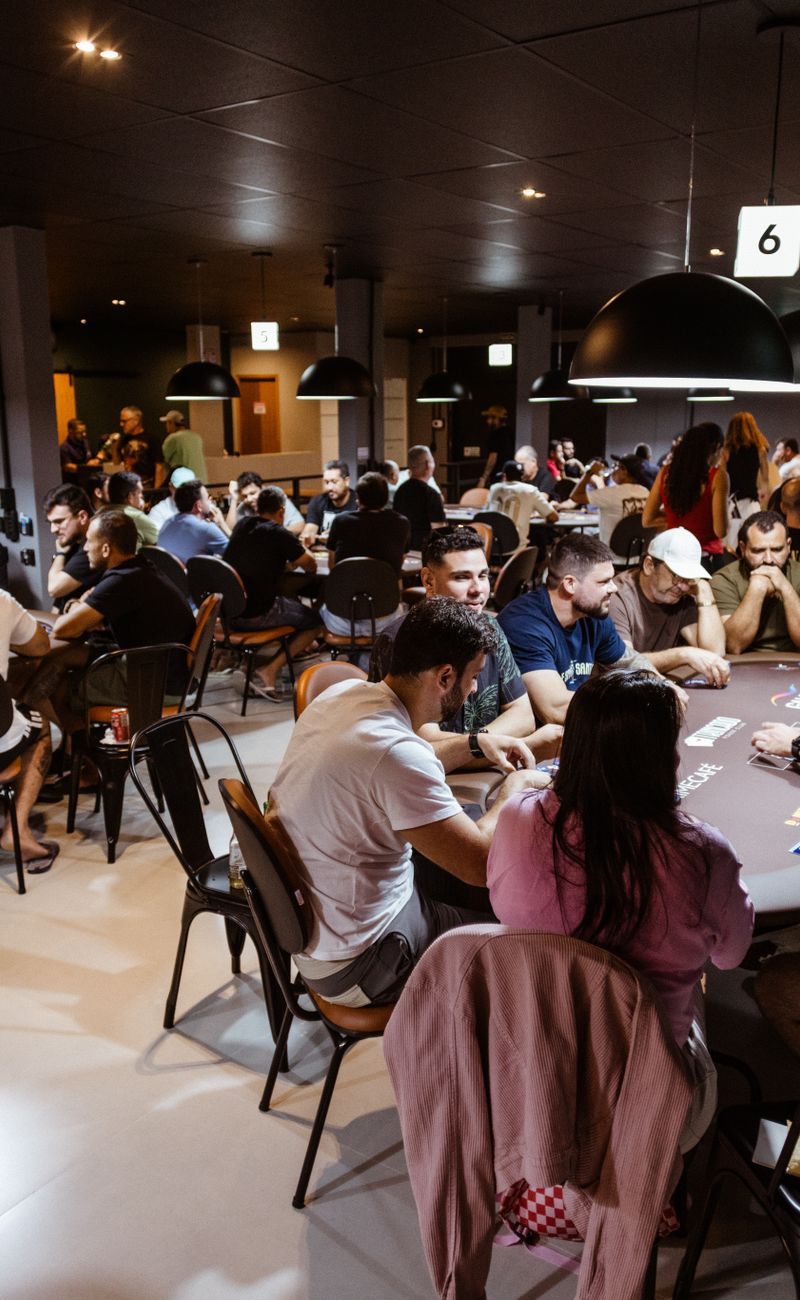
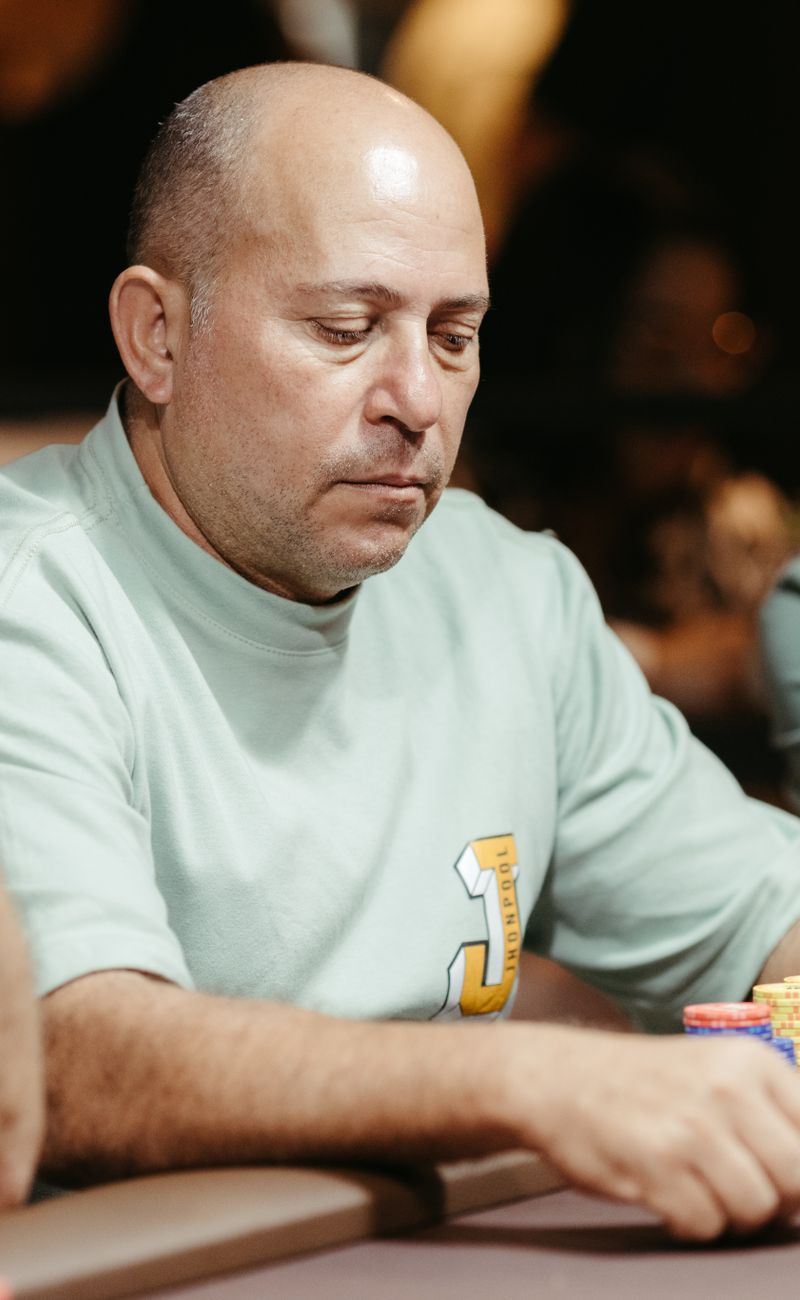
How to Read Live Poker Players: The Exploitation Guide (2026)
Master the art of reading live poker opponents with this comprehensive guide to identifying player types, spotting weaknesses, and adjusting your strategy for maximum profit at the table.

Reading Live Poker Players Is Not What You Think It Is
Most players approach reading live poker players the wrong way. They are looking for the Hollywood version. The shaky hand. The darting eyes. The nervous tic. They spend their sessions staring at opponents waiting for some cinematic tell that will unlock infinite profit. That is not how it works and if you have been playing that way you have been leaving money on the table while looking like a weirdo.
Reading live poker players is about pattern recognition, not body language voodoo. It is about systematic observation of behavior across hundreds of hands, not desperate searching for a single magic signal. The players who crush live poker games are not psychic. They are observant. They have built mental databases of how different player types behave in specific situations. They know what a certain type of live poker player does when they have it versus when they do not. That is the foundation of every profitable exploit at the live tables.
This is not a guide to picking up on subtle physical tells from poker movies. This is an exploitation framework built on how real live poker players actually think, behave, and telegraph information at the table.
Why Live Poker Players Are Different From Online Players
Online poker created a generation of players who think in ranges and solver outputs. That is not an insult. Understanding GTO fundamentals and equilibrium strategies made the average player much better than they were twenty years ago. But there is a significant portion of the live poker player pool that skipped that evolution entirely. These players learned the game in casinos, in home games, at card rooms where the competition was local and the information exchange was entirely physical. They developed their strategies in an environment where reads mattered and solver abstractions did not exist.
This creates a massive exploitable gap. These live poker players have tells, habits, and behavioral patterns that are completely foreign to the younger generation of solver-trained players. Many younger players at live tables are actually worse at exploiting these players than the old-schoolers because they have been trained to think in abstract ranges rather than specific human behaviors. You need both skills. You need the theoretical foundation to avoid being exploited yourself, and you need the observational skills to exploit the massive leaks in your opponents' games.
The other critical difference is time. Online poker players see hundreds of hands per hour. Live poker players see twenty to thirty. That means your sample size of observations builds much slower, but each observation carries more weight. A live poker player who has been sitting at the table for three hours has a much more defined persona than a player you sat across for fifteen minutes online. Use that. The information density at live tables is lower in volume but higher in reliability.
The Physical Tell Reality Check
Let me be direct about physical tells because this is where most players waste their time. Physical tells in live poker are largely unreliable and often completely fabricated by players who want to believe they have a supernatural ability to read people. The sweaty palm, the trembling fingers, the change in breathing pattern. These things happen occasionally but they are not the primary source of actionable information at the table.
Here is what actually works. The most reliable physical tells are related to timing and behavior patterns, not micro-expressions. How does this live poker player respond when it is their turn to act? Do they reach for chips immediately when they have a hand? Do they hesitate and then bet quickly, which often indicates a value hand they are trying to disguise? Do they check their cards again after the action gets to them? That second card check is one of the most consistent tells in live poker and it has nothing to do with body language.
Watch what they do with their cards. Players who hold cards close to their body with both hands are often protecting a strong hand. Players who set their cards loosely on the table with one corner are usually more casual about the hand. This is not a universal rule, but in live poker games where players are less guarded about their physical habits, these patterns emerge consistently.
The most valuable physical information comes from betting behavior, not facial expressions. How a live poker player handles their chips when facing a bet tells you more than their face ever will. Watch the stacking. Watch whether they pull from one stack versus another. Watch whether they bet in a single motion or count out chips deliberately. These are the tells that separate profitable live poker players from tourists who think they can read souls.
Building Your Live Poker Player Database
You need to think of yourself as a researcher collecting data on every player at your table. Not dramatic data collection but casual, natural observation that happens while you play. The goal is to build a mental profile of each player that you can reference when you need to make a decision.
Start with the obvious categories. How does this live poker player play preflop? Are they raising with a wide range or narrow? Are they calling too much? Do they fold to raises too often? These are table dynamics that you establish in the first orbit or two. But go deeper than that. How do they respond to 3-bets? Some players have a dramatic physical reaction to facing a 3-bet. They will lean back, sigh, check their cards again. That behavior usually indicates they are folding. Other players go silent and bet immediately, which often means they are either 4-betting with a premium hand or making a play with trash. You need to categorize each player into these behavioral buckets.
Postflop, the most important thing to observe is how live poker players respond to continuation bets. The majority of live poker players at low and mid stakes are way too honest on the flop. They check-call with everything when they miss and they either bet or check-raise when they hit. This is a massive leak that you can exploit by adjusting your c-bet sizing based on your opponent's board interaction. If a player called preflop and then checked to you on a paired board, they almost never have a set or two pair. Bet small and take it down. If they called preflop and checked on a rainbow board with three low cards, they are much more likely to have hit something and you should size up or check behind to deny them a free card.
Track who chases draws and who does not. Some live poker players will call you down with flush draws and straight draws regardless of the price. Others will fold to anything but the nuts. Knowing which category your opponent falls into changes your entire strategy against them. Against the chaser, you should be raising for value when you have strong hands and checking behind with medium hands to let them draw cheaply. Against the folder, you should be bluffing more often because they will give up too easily.
Exploiting Specific Live Poker Player Types
The tight passive player is the most common live poker player type at low stakes and they are an absolute goldmine if you know how to exploit them. These players play too many hands preflop, check too much postflop, and call too much with weak holdings. The exploitation strategy is simple. Raise your value hands for thin value. These players will call with second pair, middle pair, weak draws, and Ace-high. They will fold when you bet big with nothing because they are afraid of being bluffed. But they will call you down with anything reasonable when you bet medium. Price them out of draws by calling or raising their semi-bluffs instead of folding. Do not bluff these players on the river because they rarely fold when they have anything.
The loose passive player is even more profitable. They play too many hands and they never raise. They are in the pot with garbage and they check-call all the way to showdown. These live poker players should never see a cheap flop because you should be raising constantly. Your value range against these players should be enormous. You can bet thin on the river with hands that would be checks against better opponents. You should rarely bluff them because they call with everything and your bluffs will actually get called by their entire range.
The tight aggressive player is the one you need to be careful with. They play few hands but when they are in a pot they play it aggressively. They will 3-bet and 4-bet with a relatively narrow range and they will continuation bet frequently. Against these live poker players, you should be calling more and raising less. Let them be the aggressors and then trap them with check-raises on boards where they are likely to have a continuation betting range but you have a strong hand. Avoid getting into raising wars with them unless you have a premium hand because their tight preflop selection means they often have you dominated.
The loose aggressive player is the most dangerous type at the table and you need to identify them immediately. These live poker players raise too much, bet too much, and can put you in tough spots with their aggression. The exploitation strategy against them is to play tight, trap with strong hands, and let them bluff off stacks to you. Check-raise them on the flop and turn because they will often continuation bet into your check-raise range. Let them stack off with second best hands. Do not try to out-bluff them because they are likely better at that game than you are.
The Common Mistakes That Cost You Money
Over-adjusting to single observations is the most expensive mistake live poker players make. You see one player fold to a continuation bet and you decide they are weak and you start blasting them. But they folded once. They might fold eighty percent of the time or twenty percent. You need multiple data points before you adjust your strategy significantly. One hand is not a pattern. Three hands might be a pattern. Five or more hands is a trend you can exploit.
Ignoring table image is another massive leak. What you look like to your opponents affects how they play against you. If you have been playing tight and show down a bluff, the table now thinks you are tricky. Use that. If you have been playing loose and aggressive, people will give you credit for strong hands when you actually have them. Adjust your exploitation based on how your opponents perceive you, not just how they play in isolation.
Failing to adjust when the table dynamics change is expensive. The player you identified as a calling station in the first hour might have been drinking and got more serious. The passive player might have gotten a pep talk from a friend and is now playing tighter. Things change at live tables. Your reads should be continuously updated, not locked in after your first orbit.
The Hard Truth About Live Poker Reads
Here is what separates winning live poker players from break-even grinders. The winning players have patience and discipline in their observation process. They do not get distracted by single hands. They do not chase dramatic tells. They sit at the table with a notebook mentality, quietly cataloging behaviors, and then they execute targeted exploitation against specific player types when they have the information they need.
The players who struggle at live tables are usually thinking too much about their own hand and not enough about their opponents' tendencies. They play their cards rather than the people across from them. They make the same plays against everyone instead of adjusting to the specific leak profile of each opponent. That approach might work against average opponents but it will not maximize your win rate.
Your goal is to leave every live poker session knowing more about your opponents than you did when you sat down. That knowledge compounds over time. The regulars at your local card room become increasingly transparent to you as you build a database of their behaviors. The tourists and new players stand out immediately because they have not been cataloged yet. Use that information asymmetry. That is where your edge lives in live poker in 2026 and beyond.