Live Poker Game Selection: How to Find the Softest Games in 2026
Discover the essential strategies for live poker game selection in 2026. Learn how to identify profitable tables, spot recreational players, and maximize your edge before you even sit down.

The One Skill That Matters More Than Your Poker Strategy
You can spend a thousand hours studying solver outputs. You can drill your 3-bet ranges until they are automatic. You can have the tightest preflop charts in your local cardroom. None of it matters if you are sitting at the wrong table. Live poker game selection is not a supplementary skill. It is the skill. The returns from playing against recreational players in soft games dwarf any marginal edge you can manufacture by studying optimal strategy against competent opponents. If you are grinding live poker without a systematic approach to finding the softest games available, you are leaving money on every table you sit at.
This is not an opinion. This is math. The average recreational player at a typical casino poker room has significant leaks in their game. These leaks represent the structural edge that separates winning players from break-even players. The moment you sit down against a table full of competent regulars, you have voluntarily surrendered the primary advantage that live poker offers. The rake is still there. The tips are still there. But the reason live poker is profitable at all has disappeared. You are now playing a different game entirely, and that game is much harder to win at.
Understanding the Live Poker Player Ecosystem
Every live poker room contains a mix of player types. The sooner you learn to identify them quickly and accurately, the better your live poker game selection decisions will become. The recreational players are what you are hunting for. They come in several varieties. The tourist who plays two weeks a year and has no concept of pot odds. The retired professional who plays for entertainment and considers the money already spent the moment they buy in. The businessman who treats poker like a client dinner with cards involved. The local recreational player who thinks they are better than they are and plays too many hands as a result.
Then there are the regulars. These players are not all the same. Some are competent winners who have put in real work. Some are break-even players who think they are winners. Some are losing players who have simply accepted their fate as the cost of entertainment. Your goal during live poker game selection is to find tables where recreational players outnumber regulars by a significant margin. A table with five recreational players and three regulars is a gold mine. A table with three recreational players and five regulars is a minefield you should walk away from.
The key is that you do not need to avoid regulars entirely. You need the math to work in your favor. When you have a 4-to-1 or 5-to-1 ratio of recreational money to regular money at a table, the inevitable swings and tough decisions against the skilled players are offset by the consistent profits from the recreational players. The recreational money funds your win rate. The regulars are just obstacles to navigate on your way to collecting it.
The Physical Intelligence of Game Selection
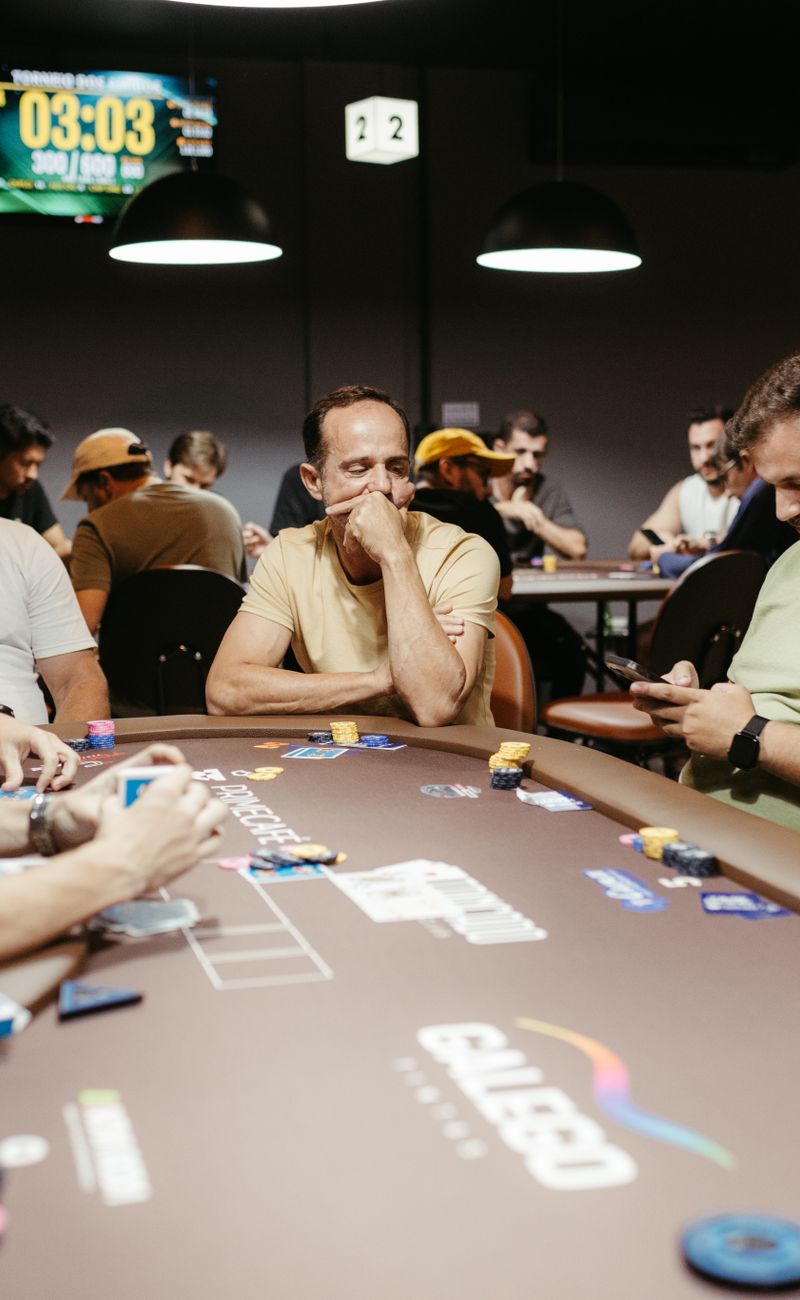
Walking into a poker room and immediately sitting at the first available game is a mistake you will pay for over years of play. Smart live poker game selection starts before you even look at a deck of cards. Observe the room. Watch the tables that are running. How many people are standing behind chairs watching the action? Those are the tables with action. Those are the tables where people are getting paid. The empty tables with just two players and a dealer waiting are the tables that nobody wanted to sit at. There is a reason for that.
Pay attention to the atmosphere in different areas of the room. Some poker rooms have a sports bar atmosphere where recreational players gather to drink and watch games while they play. These tables tend to be softer in the evenings and on weekends. Other areas of the same room might have a more serious tone where regulars congregate and wait for seats. If your goal is live poker game selection that maximizes your edge, you position yourself where the recreational players are having fun and spending money.
The day and time of your session matters enormously. Friday and Saturday nights bring the tourist crowd and the recreational player crowd. Monday through Thursday afternoons often feature the retired regulars and the unemployed or underemployed players who treat poker as a source of income. Neither is automatically better, but they require different approaches. The weekend crowd is softer but the games are bigger. The weekday afternoon crowd is tighter but the stacks are often shallower. Know what you are walking into before you buy in.
Reading the Table Before You Sit Down
Once you have identified which tables are active, the next phase of live poker game selection is table selection itself. This means standing behind a chair and watching the dynamics for at least five minutes before you commit. Five minutes is the minimum. Ten is better. You are not just watching the cards. You are watching the people. Who is talking and who is quiet? Who is stacking off after bad beats? Who is tank-calling with marginal hands? Who is raising with air? Who is checking down with made hands because they do not understand their equity?
The physical tells are part of it, but the behavioral tells are more valuable. A player who tilts visibly after losing pots is gold. A player who calls down with weak pairs because they cannot fold is gold. A player who raises preflop with any two cards and then plays fit-or-fold postflop is gold. These are the players who fund your win rate. During your observation period, try to identify at least three players at the table who exhibit these characteristics. If you can find three, the table is worth playing. If you can only find one or two, you need to weigh whether the table is soft enough to justify the effort.
Watch the stacks too. Live poker game selection is not just about the quality of opponents. It is about the depth of their pockets relative to the stakes you are playing. A table full of recreational players who all buy in short is not as profitable as a table with the same players who buy in deep. The deeper the stacks, the more errors recreational players make. They can outplay themselves over more streets when the pressure of deeper effective stacks forces harder decisions. A table where the effective stack is 200 big blinds against a recreational player who plays every hand is worth three tables where everyone is capped at 50 big blinds.
The Waiting Game and When to Pass on a Table
There will be times when you walk into a poker room and nothing is right. The games are all full of regulars. The stakes you want to play are not running. The games that are running are too short-stacked or too tough. This is when most players make their worst live poker game selection decisions. They decide to wait for a specific seat at a specific table rather than taking what the room is offering. Sometimes this is correct. More often, it is ego or impatience driving the decision.
Waiting for the perfect game can mean waiting for hours. Hours of your life spent not playing poker and not earning money. There is a point where waiting for a slightly softer table costs more than sitting down at a decent one and grinding. The answer is not to lower your standards entirely. It is to have clear thresholds. If you cannot find a table with at least three recreational players and a reasonable stack depth within 30 minutes, you either play a different stakes or you come back another time. Do not let the sunk cost of driving to the casino and paying for parking drive a bad decision.
There is also the question of game changes after you sit down. Live poker game selection is not a one-time decision. It is an ongoing process that continues from the moment you walk into the room until the moment you leave. If a table breaks and you have the option to move, evaluate that move with the same rigor you applied to your initial selection. A table that seemed soft when you sat down might have changed. Regulars might have left and been replaced by tougher players. The dynamics might have shifted in ways that make the table no longer worth your time. Be willing to move. Be willing to leave. Your win rate is too important to protect a sitting position at the wrong table.
Building Your Network for Better Game Selection
The best live poker game selection happens before you walk into the room. This means building relationships with other players, floor staff, and dealers who can give you information about what is running and who is playing. A regular in a poker room has access to intelligence that a newcomer does not. You learn which regulars play which days. You learn which tourists are in town for the weekend. You learn which games are the action games and which games are the nit-fests where nobody pays anyone off.
Floor staff are an underrated resource for live poker game selection. They know which games are running, which tables are about to break, and which players are looking for games. A good relationship with the floor means you get called for good games before the general public. It means you hear about private games and higher-stakes games that are forming. It means you are not just a name on a list but a known quantity who handles themselves professionally and keeps the games pleasant for everyone.
Other winning players are also part of your network. You do not share hole cards, but you share information about the games. If you hear from a regular that a particular weekend brings a group of recreational players who love to gamble, you schedule your sessions accordingly. If you hear that a certain player has gone on tilt and is currently stack-off territory, you make sure you are in that game. Information is money in live poker. The more sources you have, the better your live poker game selection decisions become.
The Hard Truth About Game Selection
Here is what you need to accept. Your skill level at poker is a multiplier on your game selection. If you are playing against terrible opponents, your edge is large and your skill matters less. If you are playing against competent opponents, your skill matters more but your edge shrinks. Most players get this backwards. They think that improving their poker strategy is the path to higher win rates. Strategy improvement is important, but the biggest lever you have is the quality of the games you choose to play in. A mediocre player in a soft game will outprofit a world-class player in a tough game almost every time.
This does not mean you should not study. It means you should study in the right proportion. If you are spending 90 percent of your poker time on strategy study and 10 percent on game selection, you are tilted toward the less impactful variable. The winning live poker players I know spend at least as much time on game selection as they do on strategy. They are not afraid to walk away from a game that is too tough. They are not afraid to wait for a better seat. They are not afraid to leave the casino and come back another day when the games are better. This discipline is what separates consistent winners from the players who are always playing but never quite moving up.
The games in 2026 are not going to get softer. The recreational player pool is not growing. The information gap between winning players and recreational players is shrinking as more content becomes available. If anything, the pressure on soft games is increasing. The players who will thrive in this environment are the ones who treat live poker game selection as a serious discipline, not an afterthought. Your edge starts before the first hand is dealt. Make sure you are earning it.