Live Poker Tells: How to Spot Bluffs & Get Paid (2026)
Master the art of reading live poker tells. Learn how to identify opponent betting patterns, physical tells, and behavioral signals to make more profitable decisions at the table.

Live Poker Tells Are Not Magic. They Are Data.
You have been sitting at a $5-$10 live table for three hours. The tight player in seat six just called a raise with twelve dollars in the pot. She did not look at her cards before calling. She looked at you. You fold. She shows eight-four offsuit and takes the pot with a continuation bet on a king-high flop that hits nothing she could possibly have. You just got bluffed by a hand that should never be in the pot.
This happens to you because you are not reading live poker tells. You are reading what you think live poker tells should look like based on movies and bad poker literature. The reality is more boring and more profitable. Live poker tells are not about catching someone blinking when they bluff. They are about pattern recognition applied to human behavior under the specific pressure of gambling money in front of other people. The data is there. You just have not been collecting it properly.
Live poker tells work because live poker is slow. You have time to watch. You have time to think. Online poker does not give you this. You see a bet and you make a decision in twelve seconds. Live poker gives you three hundred seconds if you want them. That time is information. How someone uses that time is the tell. Learn to use it.
The Foundation: Why Live Poker Tells Exist
Human beings are not designed to hide emotion at the poker table. They are designed to survive in small tribal groups where deception was rare and easily detected. When you bluff in poker, your body activates the same physiological response it would if you were trying to deceive a tribe member about who killed the mammoth. Your hands get twitchy. Your breathing changes. Your pupils dilate. These responses happen automatically and they happen before your conscious mind can suppress them.
The problem is that most players do not know what to look for, so they miss everything. They stare at the cards. They stare at the board. They do not watch the person making the decision. That is where the money is. Every live poker tell that matters is a behavioral deviation from that player's normal pattern. Not from some textbook definition of a tell. From that specific person's baseline.
This is the part that trips up most players. You cannot learn a universal list of live poker tells and apply it to everyone. Player A shakes when she has a strong hand. Player B shakes when she is bluffing. Player C never shakes. Player D shakes constantly so you cannot read him at all. You have to establish a baseline for each player before you can read deviations. This takes time. That is why live poker rewards patience and table selection. You want to sit at tables where you can watch players for an orbit or two before the game gets serious.
The baseline includes bet timing, bet sizing, body language, verbal patterns, and eye contact. Write down what is normal for each player at your table. Then watch for deviations. That is the entire game. Everything else in this article is application of that principle to specific categories of behavior.
Timing Tells: The Clock Does Not Lie
The single most reliable category of live poker tells is timing. Not because timing is magic, but because timing is measurable. When you bet, how long it takes you to bet, how long it takes to call, these are all quantifiable data points that tell you about the strength of a hand. Most players ignore this data completely. Do not be most players.
A player who normally acts quickly but suddenly slows down is signaling something. The question is what. If a player who plays most hands quickly looks at their cards, looks at the board, looks back at their cards, thinks for thirty seconds, and then bets, they usually have a hand they are trying to protect. They are not thinking about whether to bet. They are thinking about how much to bet. They have already decided they are playing. The slow time is the decision about extraction, not about whether to play.
Conversely, a player who normally thinks for a long time suddenly snaps off a bet usually has a bluff. They have been thinking all night. They know the correct play is to fold. They do not want to think about this hand. They just want it over with. The quick bet is an escape mechanism. They want to take the pot before they talk themselves out of it.
Call timing is even more reliable than bet timing. When someone tanks for two minutes and then calls, they are usually not calling because they are happy. They are calling because they cannot find a fold. They have a hand that is good some percentage of the time and they cannot bring themselves to give it up. When someone calls instantly, they either have a made hand and want to get to showdown, or they have a draw they are committed to. You can usually tell which by the bet size they are calling. A large bet called instantly usually means they have a hand they are refusing to fold. A small bet called instantly usually means they are price-checking with a draw.
Check-raise timing is the most dramatic tell in poker. When someone checks and then immediately check-raises before you can even think about your continuation bet, they have a monster. They checked for trap. They wanted you to bet so they could spring it on you. When someone checks and then check-raises after a long pause, they are usually bluffing. They were hoping you would check behind so they could showdown a weak hand. When you bet, they had to decide whether to try to win the pot with a raise or give up. The long pause is the decision to try the bluff.
Physical Tells: Watch the Extremities
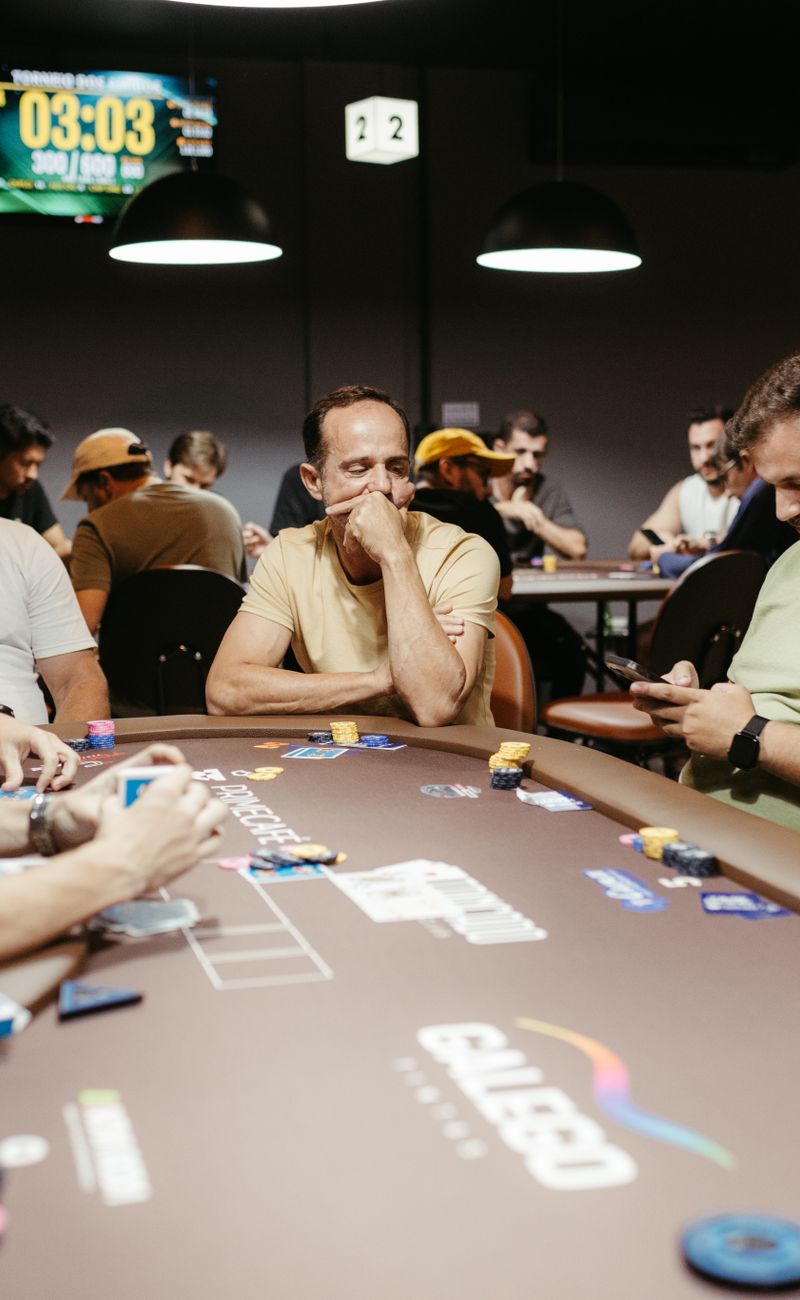
The face is a lie. Most players know not to look nervous on their face. They have been coached by poker content that says the eyes are the window to the soul so they learned to wear sunglasses or stare at the felt. What they cannot control is their hands and their posture. Watch the extremities.
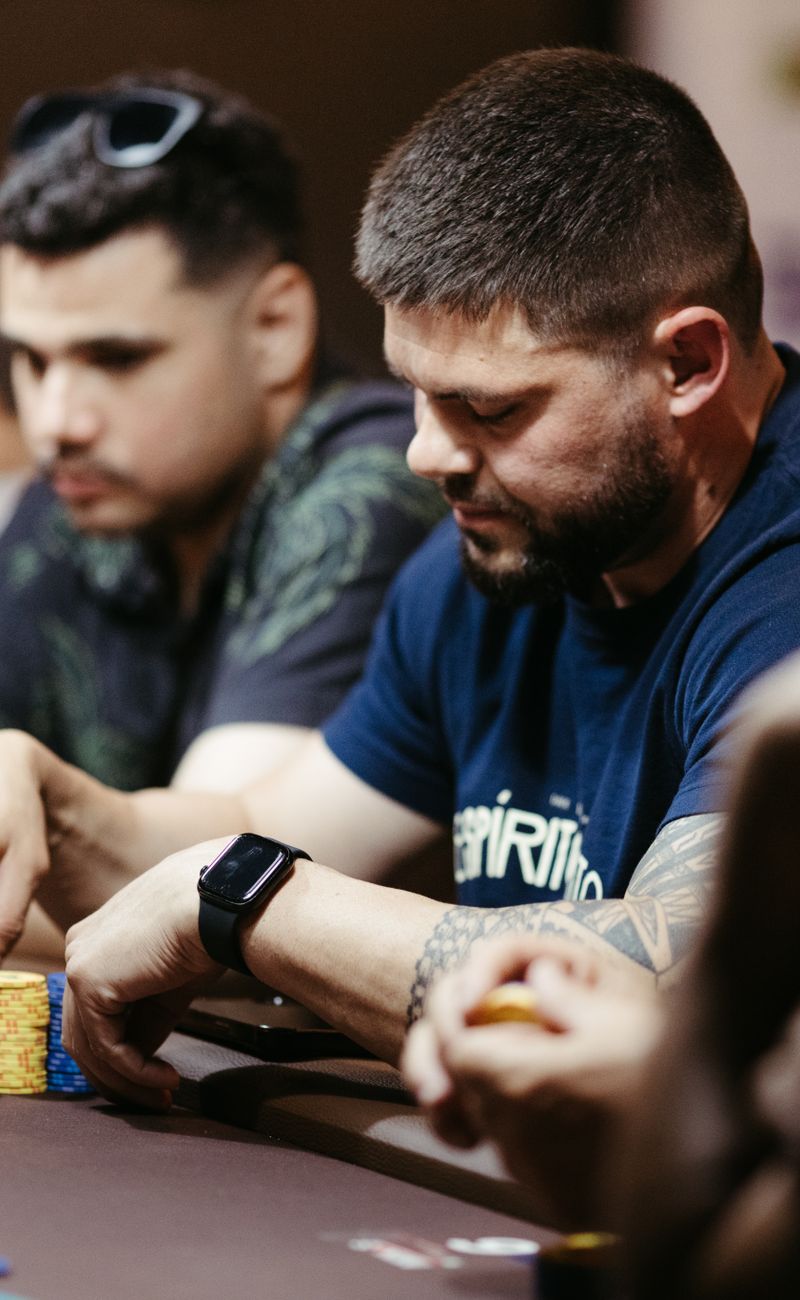
Hands tell you everything. A player who has strong hands tends to keep them very still. They place them flat on the table. They do not move them around. They do not touch their chips absentmindedly. They are not nervous because they are not bluffing. A player who is bluffing or has a weak hand tends to move their hands constantly. They pick up cards. They drop them. They arrange their chips. They touch their face. They adjust their glasses. The nervous energy has to go somewhere. It goes to the hands because the hands are not needed for the decision and they are free to fidget.
The opposite is also true for some players. Some players go completely rigid when they have a strong hand. They freeze. They stop breathing visibly. Their body goes into a state of tension because they are trying to hold the secret inside. You have to know which type you are watching. This is why the baseline matters so much.
Breathing is a tell that most players never look for. Watch the chest. Watch the shoulders. When someone is bluffing, their breathing tends to get shallow and quick. The body is preparing for the lie to be exposed. When someone has a strong hand and is confident, their breathing tends to stay normal or even slow down as they relax into the hand. You can see this from across the table if you are watching. Most players are not watching.
Posture changes are live poker tells that most players miss because they are not looking for them. A player who sits up straighter when they look at their cards usually has a hand they like. A player who slumps or leans back usually has nothing or is giving up. Watch when they look at the board. Do they lean forward to study it or do they barely glance? Leaning forward means they care about what is on it. Barely glancing means they have already decided their hand is no good.
Behavioral Patterns: What They Say Versus What They Do
Verbal tells are unreliable because players can plan what to say. Physical tells are more reliable because they are harder to control. Behavioral tells are the most reliable of all because they are patterns of action that players are not even aware they have. These are the live poker tells that separate winning players from break-even players.
Watch how players handle their chips when they bet. A player who bets with a calm stack motion, placing chips cleanly, usually has a hand they are comfortable with. A player who bets with an unsteady hand, dropping chips or placing them awkwardly, is usually nervous because they are bluffing or have a marginal hand they are not sure about. The physical act of separating from chips when you do not believe you deserve the pot creates a small psychological barrier that shows in the execution of the bet.
Watch how players react to cards they want to see. When the flop comes, a player with a draw will often look at the board very quickly and then look away. They did not want to see a card that might complete their draw because they know their hand is not good yet. A player with a made hand will often look at the board very carefully, studying it, hoping to see something that does not scare them. The quick glance versus the long study is a reliable tell in many players.
Watch how players handle bad news on later streets. When a player who has been acting strong suddenly looks defeated, they usually missed their draw or the board paired in a way that beats them. When a player who has been acting weak suddenly looks relieved, they usually hit something. The emotional reaction to community cards is involuntary and difficult to fake. Players can control their face but they often forget to control the micro-expressions that flash across their features before they compose themselves.
The most profitable behavioral tell is what I call the confession look. After a big pot goes to showdown, watch the loser. When a player who lost with a bluff realizes they have been caught, they often have a micro-reaction that gives away the bluff. A quick head shake. A half-laugh. A look at the winner that says I know you know. This reaction tells you they were bluffing in that spot. You can use it to put them on a bluffing range the next time they bet in a similar spot.
Getting Paid: Turning Reads Into Profit
Knowing live poker tells is useless if you do not act on them. The goal is not to feel smart when you read someone correctly. The goal is to get more money in the pot when you have the best hand and keep money out of the pot when you have the worst hand. Everything else is theater.
When you read weakness, raise. Not just a little raise. A raise sized to get called by worse hands and make it expensive for better hands to continue. If you have top pair and you read the opponent as weak, your goal is not to extract maximum value. Your goal is to get called by every hand worse than yours and make sure every hand better than yours pays the maximum to see the next card or showdown. A small raise does neither of these things efficiently.
When you read strength, do not try to bluff. This sounds obvious but players do it constantly. They have a weak hand and they read the opponent as weak so they bet, trying to take the pot. The opponent is not weak. The opponent is strong. They read you as weak. Now you are betting into a player who has a strong hand and read you as weak. You are going to get raised or called and you are going to lose. Sometimes the best play with a weak hand against a player who reads as strong is to check and fold. Accept that you read the situation correctly and made the right fold.
The biggest mistake players make with live poker tells is overvaluing them. A tell is one piece of information. It is not a verdict. You combine it with betting patterns, position, hand ranges, and board texture to make decisions. A player who usually bets quickly betting slowly is a flag, not a fold. Go through your full thought process. What is their range based on the action so far? What does this board do to their range? What does this tell me about their likely hand? How much does this tell change my assessment? Then make the decision. The tell is a data point, not a computer screen telling you what they have.
Live poker tells are a skill. Like every skill, they improve with practice. Start by picking one tell to focus on during your next session. Pick timing tells or hand movements. Watch only that category. After a few sessions, add another. After a few months, you will be reading players at a level that casual players cannot even comprehend. You will see the game they do not see. You will take money they do not know they left on the table. That is the edge. That is why you are at the table.